
Introduction
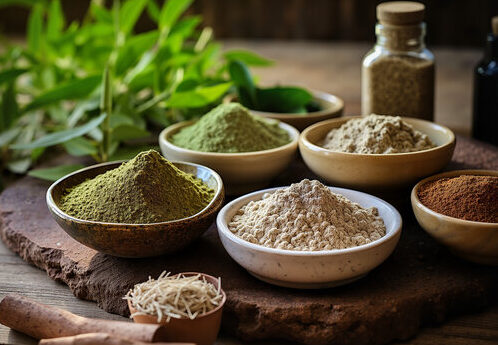
India’s agricultural diversity and traditional knowledge have made it a prominent producer of herbal, vegetable, and fruit powders. These powders are valued for their purity, versatility, and ability to meet the growing demand for natural, chemical-free ingredients in food, health, and personal care sectors.
Market Overview
Growing Demand
- Health & Wellness: Consumers are increasingly seeking natural, minimally processed ingredients for improved nutrition and wellness.
- Industrial Applications: These powders are used in food and beverages, nutraceuticals, cosmetics, and pharmaceuticals for their concentrated nutrients and natural properties.
Herbal Powders
What They Are
Herbal powders are finely ground forms of medicinal and culinary herbs such as ashwagandha, amla, neem, tulsi, and shikakai. They retain the plant’s natural properties and are widely used in Ayurveda, food products, and personal care.
Production & Quality
- Direct Sourcing: Herbs are sourced from local farms, often with an emphasis on organic cultivation.
- Processing: Traditional and modern techniques are used to preserve potency and purity, with strict quality control to meet domestic and export standards.
- Applications: Used in supplements, teas, skincare, haircare, and culinary products.
Vegetable Powders
What They Are
Vegetable powders are made by dehydrating and grinding vegetables like spinach, beetroot, carrot, tomato, and garlic. They are nutrient-dense, easy to store, and convenient for various applications.
Uses
- Food Industry: Added to soups, sauces, seasonings, instant mixes, and health drinks.
- Nutraceuticals: Used for their vitamins, minerals, and antioxidants.
- Culinary: Enhance color, flavor, and nutrition in recipes.
Features
- Long Shelf Life: Dehydration extends usability.
- Nutrient Retention: Modern drying methods help preserve vitamins and antioxidants.
- Versatility: Suitable for a wide range of products.
Fruit Powders
What They Are
Fruit powders are produced by dehydrating fruits and grinding them into fine powder. Examples include mango, banana, papaya, and musk melon powders.
Advantages
- Convenience: Easy to use in smoothies, yogurts, bakery products, and supplements.
- Shelf Stability: Extended shelf life compared to fresh fruits.
- Nutrient Density: Advanced drying methods help retain nutrients and natural flavors.
Quality Assurance & Certifications
- Certifications: Products are often certified for food safety and organic standards.
- Testing: Regular laboratory testing ensures purity, absence of contaminants, and nutrient content.
- Sourcing: Emphasis on sustainable agriculture and fair trade practices.
Packaging & Logistics
- Bulk Packaging: Powders are supplied in food-grade, moisture-proof packaging to maintain freshness.
- Distribution: Reliable logistics ensure timely delivery across India and to international markets.
Business Model: Wholesale Supply
Key Features
- Bulk Quantities: Focus on supplying large quantities to businesses, retailers, and manufacturers.
- Cost Efficiency: Bulk buying reduces per-unit costs and offers competitive pricing.
- Consistency: Ensures a steady supply and uniform quality for business clients.
- Market Reach: Distribution to local, national, and international markets.
Advantages
- Transparency: Direct sourcing from farms supports traceability and authenticity.
- Quality Control: Rigorous checks at every stage ensure chemical-free, pure products.
- Versatility: Powders cater to food, health, and personal care industries.
Industry Trends & Future Outlook
- Clean-Label Demand: Increasing preference for natural, chemical-free ingredients.
- Export Growth: India’s competitive pricing and quality standards drive global demand.
- Innovation: Advances in drying and processing technologies expand applications.
- Sustainability: Support for sustainable farming and ethical sourcing is on the rise.
Conclusion
The bulk herbal, vegetable, and fruit powder industry in India is thriving, driven by health-conscious consumers and a commitment to purity and sustainability. These powders offer versatile, natural solutions for a wide range of industries, supporting both business growth and healthy living. By focusing on quality, transparency, and responsible sourcing, the sector continues to meet the evolving needs of today’s marketplace.